

Moving is just decluttering with a spiritual crisis attached
I'm moving into my forever home, and you're invited to shop my closet.

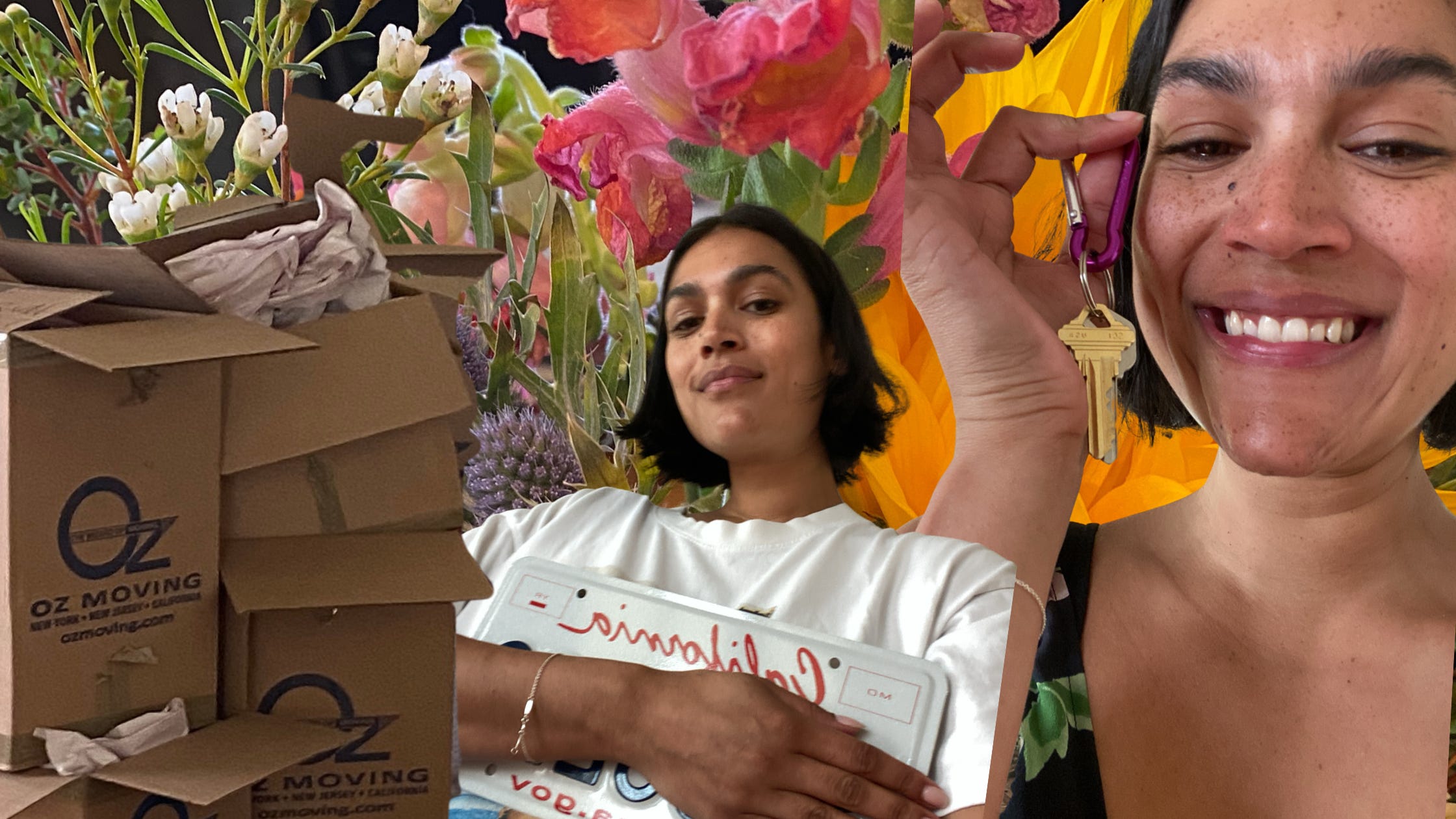
I have moved house more times than I can count. As a child, then as a teenager, then as a young woman chasing a career across cities, countries, and time zones. Melbourne to Sydney. Sydney to London. London to New York. New York to Los Angeles. Each time, I packed up whatever I had, left most of it behind, and started again. For a long time, I told myself this was freedom. That I was someone who travelled light, who didn’t get attached, who could make a home anywhere.
It took me an embarrassingly long time to understand that I wasn’t travelling light. I was running.
When you grow up moving, you learn early that investing in a place, in friendships, in routines, in the particular way the light comes through a window at a certain time of day, is a risk. You learn to hold things loosely. You get good at hellos and better at goodbyes, and somewhere along the way, the two start to feel like the same thing. When I eventually found a career that required constant travel, keeping me permanently on the move, I settled into it as if it were designed for me. In a way, it was. It required exactly the skill I’d spent my whole childhood developing: the ability to never quite arrive.
The problem with being good at leaving is that it starts to feel like a personality rather than a pattern. And patterns, unlike personalities, can be changed.
What stillness cracked open
COVID did a lot of things to a lot of people. For me, one of the things it did was remove the option of movement. Suddenly, I couldn’t be in transit. I couldn’t fill the quiet with airports and new cities and the low-grade adrenaline of always being somewhere new. I had to just be somewhere. And being somewhere, really being somewhere, forced me to ask questions I’d been outrunning for years.
What did I actually want? Not what did the next job require, not what did the next visa allow, not what was the next logical step in a career that had always dictated my geography. What did I want my life to feel like? And the answer, when I finally sat still long enough to hear it, was simple and a little terrifying: I wanted to belong somewhere. I wanted to build something. I wanted a home I had chosen, not just landed in.
New York had been everything I needed it to be. It gave me my career in a way Australia never could; it gave me community, it gave me years of the kind of growth that only happens when a city refuses to make things easy for you. But somewhere around 2021, I knew, quietly and then all at once, that the next chapter wasn’t there.
The hill
I took a trip to Los Angeles in March of 2021. COVID was still very much present. Restaurants were closed, the city felt suspended, and I spent most of it sunbathing in the backyard of a place in Echo Park, like I’d forgotten that was something I was allowed to do. Then one day, I went for a hike.
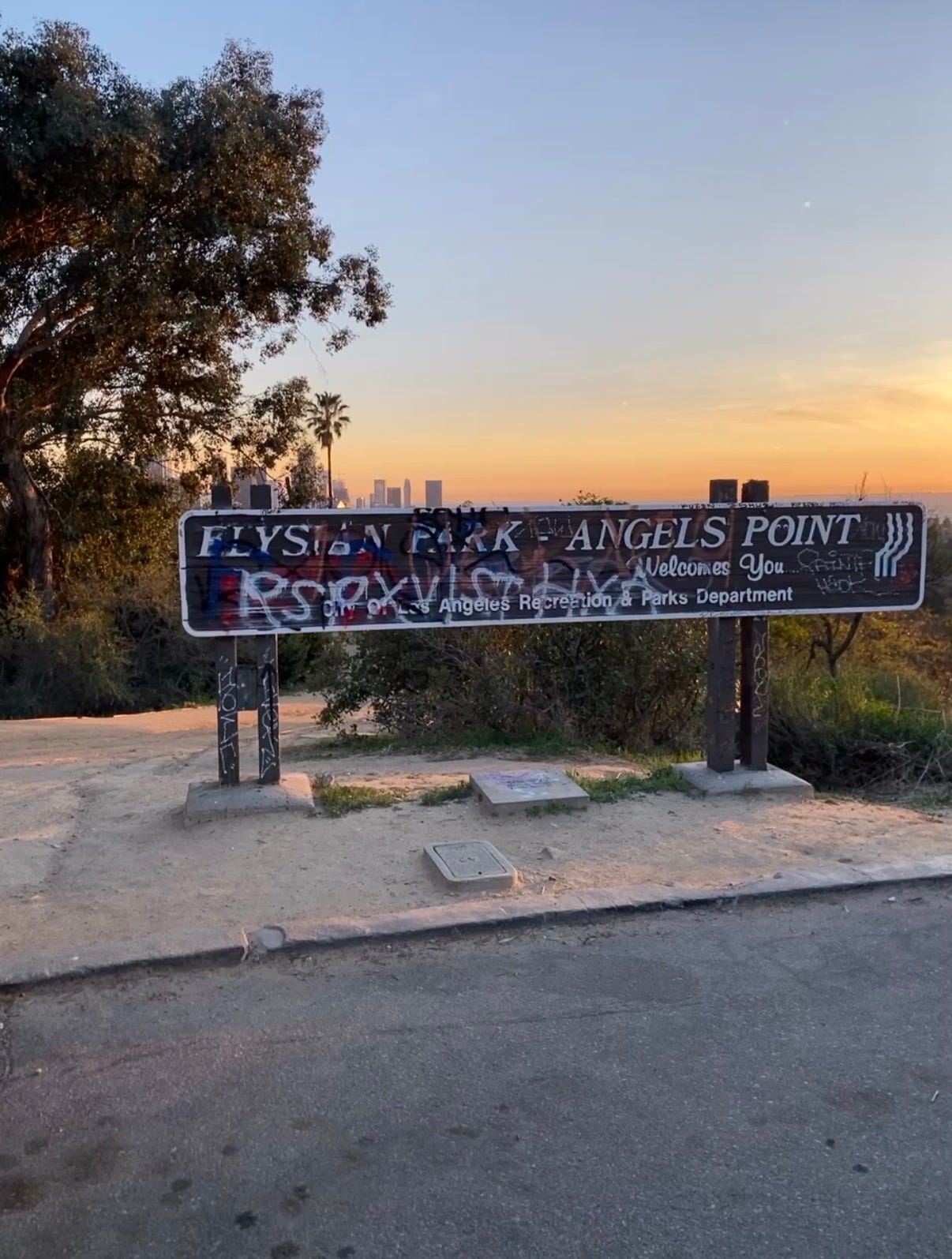
I ended up at Angel’s Point in Elysian Park, a trail that winds up through eucalyptus trees and opens out above the city. The view isn’t that glamorous. It’s mostly the Dodger Stadium car park, which is not exactly the stuff of cinematic revelation. But it was the eucalyptus that got me. That smell, that particular quality of light filtering through those leaves, took me straight back to Australia in a way that felt less like nostalgia and more like recognition.
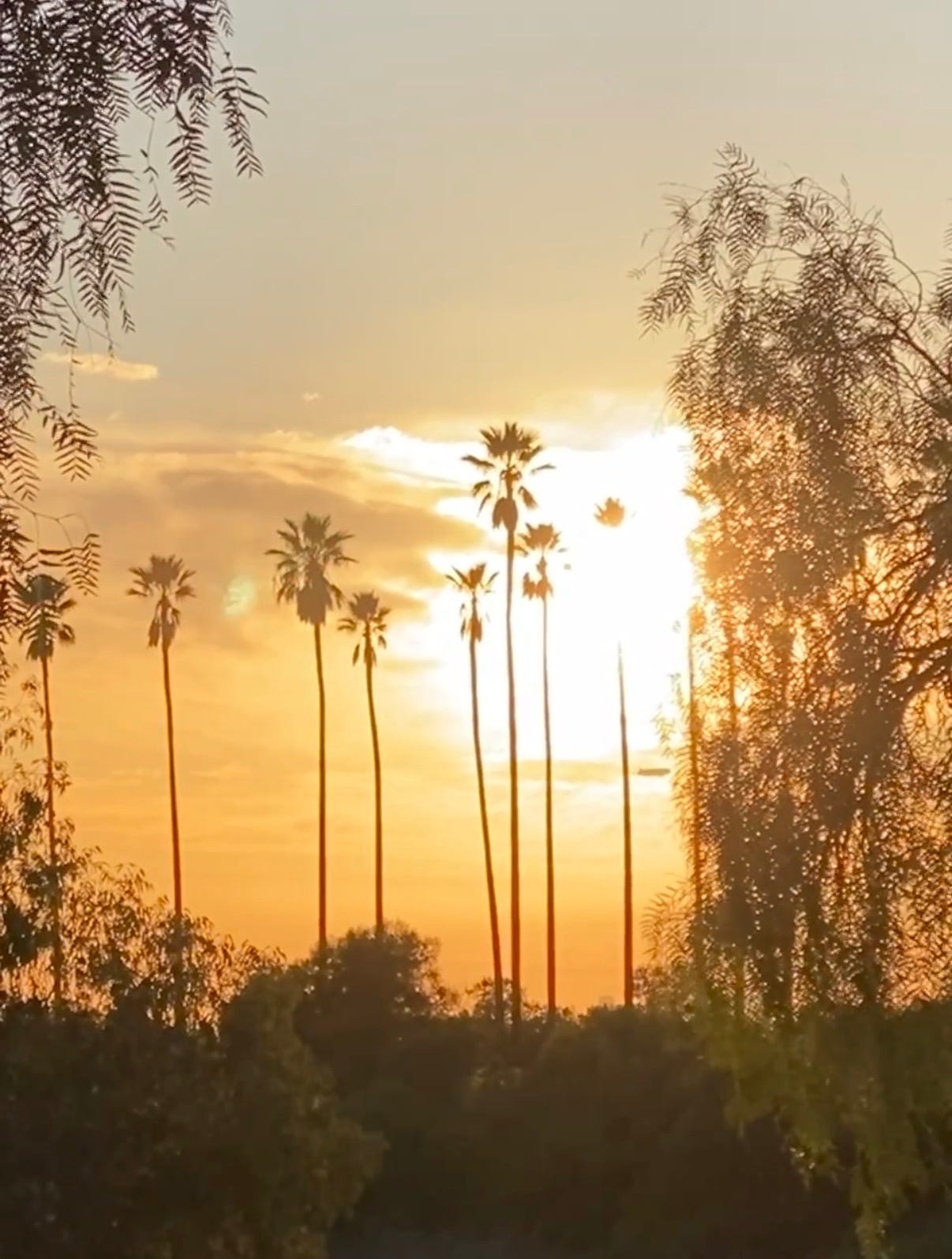
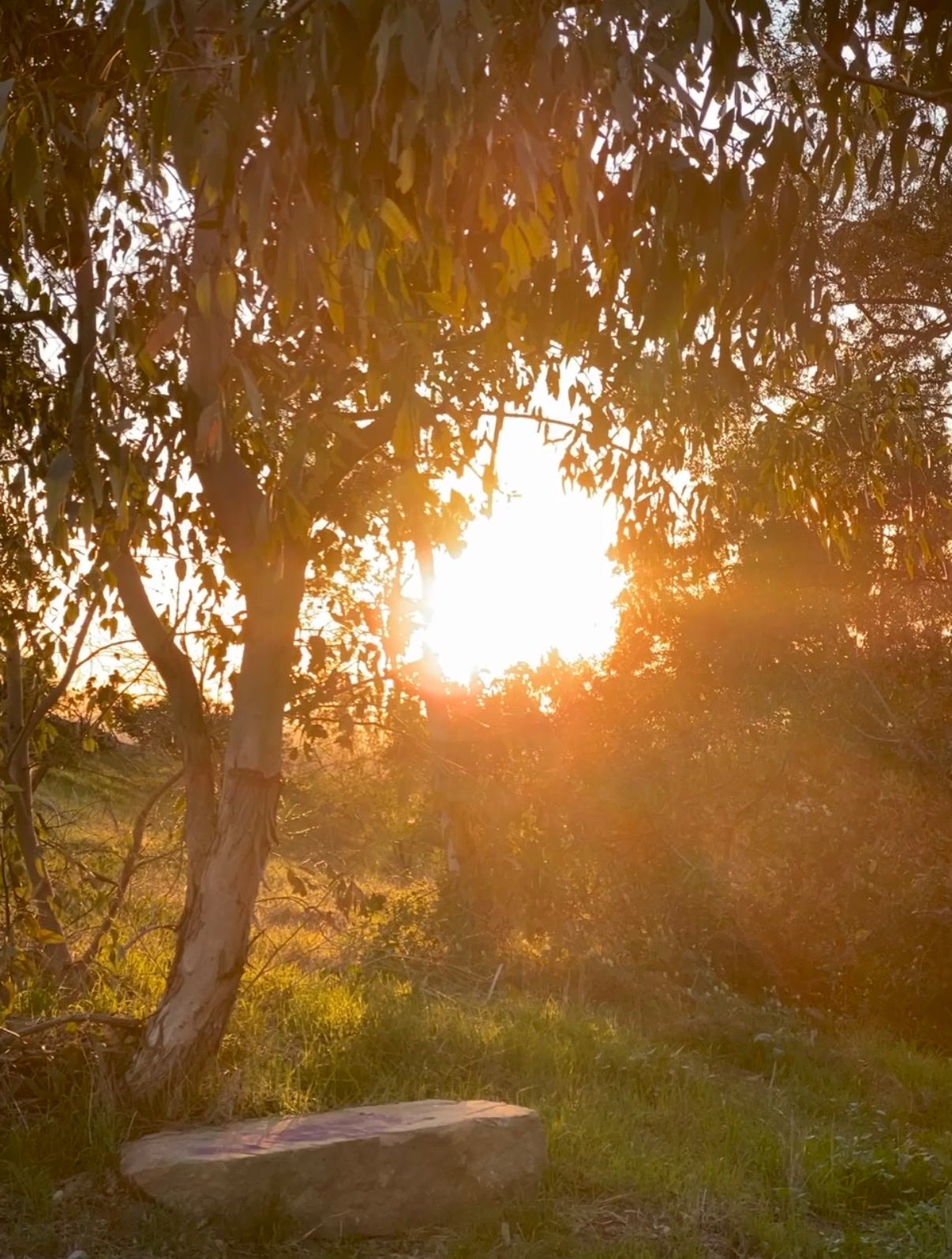
And then I noticed the butterflies. It must have been monarch migration season, because they were everywhere, moving through the trees in that unhurried, purposeful way that butterflies have, completely certain of where they’re going. There’s something I find endlessly moving about that. Monarchs are born knowing where to go. The knowledge of home is encoded in them before they’ve ever been there. They don’t choose their migration. They remember it.
I stood there on that hill, smelling eucalyptus and watching butterflies navigate by instinct, and I cried. Which, if you know me, is not exactly a rare occurrence. But these felt like different tears. Less grief, more arrival. Like something in me recognised the place before my brain had caught up with the decision.
I moved to LA later that year. I’ve lived here for three years now, almost four.
What home actually means
I used to think home was a place you were from. Then I thought it was a place you ended up. I’m starting to think it’s something closer to a decision. A repeated, daily choice to be present in your own life rather than passing through it.
The funny thing about finally putting down roots is that it requires you to actually show up. Not just physically. I’d been physically present in plenty of places. But emotionally. It requires letting people know you, which means letting them close enough to leave, which is the thing I spent decades engineering my life to avoid.
LA forced me to evolve in ways New York hadn’t quite managed. It’s a city that will not do the work of community for you. There’s no density forcing you into contact with your neighbours, no subway pushing you up against strangers until some of them become friends. You have to reach out. You have to make an effort. You have to actually get off your phone and talk to people. For someone who had spent years perfecting the art of pleasant detachment, it was an uncomfortable recalibration. And a necessary one.
I remember the day I got my first apartment here, the one in the old Spanish building with its gorgeous character and the absent dishwasher, and standing alone in it, crying. Not from sadness. From something that felt like pride but was maybe just relief. Like I had finally done the thing I’d been building toward without realising it. I was planting something. I just didn’t know yet how deep the roots would go.
What’s next
I’m moving again. But this time it’s different. This time I’m not leaving. I’m going deeper. Moving into a home with my fiancé, starting to build the family and the life I used to think was for other people. People who knew how to stay. People who had grown up understanding that roots weren’t a trap, they were a foundation.
It turns out I was one of those people all along. I just needed a few decades of moving to figure it out.
There’s a version of this essay that’s about the logistics of moving, the boxes, the closet sale, the decisions about what earns a place in the new home. And I’ll write that version too, because honestly, going through your belongings is its own kind of archaeology. You find things you forgot you owned and things you can’t believe you kept, and things that make you sit on the floor for twenty minutes because of what they remind you of. It is, as the title of this essay suggests, decluttering with a spiritual crisis attached.
But the deeper version, the one I keep coming back to, is about what it means to stop moving through your own life and start living in it. To choose a place not because it’s next, but because it’s right. To let people in, not because you’ve run out of ways to keep them out, but because you finally understand that closeness isn’t a liability.
I think about those monarchs sometimes. Born knowing where they’re going, carrying the memory of home in their DNA before they’ve ever been there. I don’t think I was so different. I think I always knew, somewhere underneath all that movement. I just had to travel far enough to find it.
With love xx
P.S - Sign up for my closet sale here. If I can get it together in time, I’ll be doing a curated Substack-only shop for those who aren’t in LA. Otherwise, I’ll see you all on the 28th!